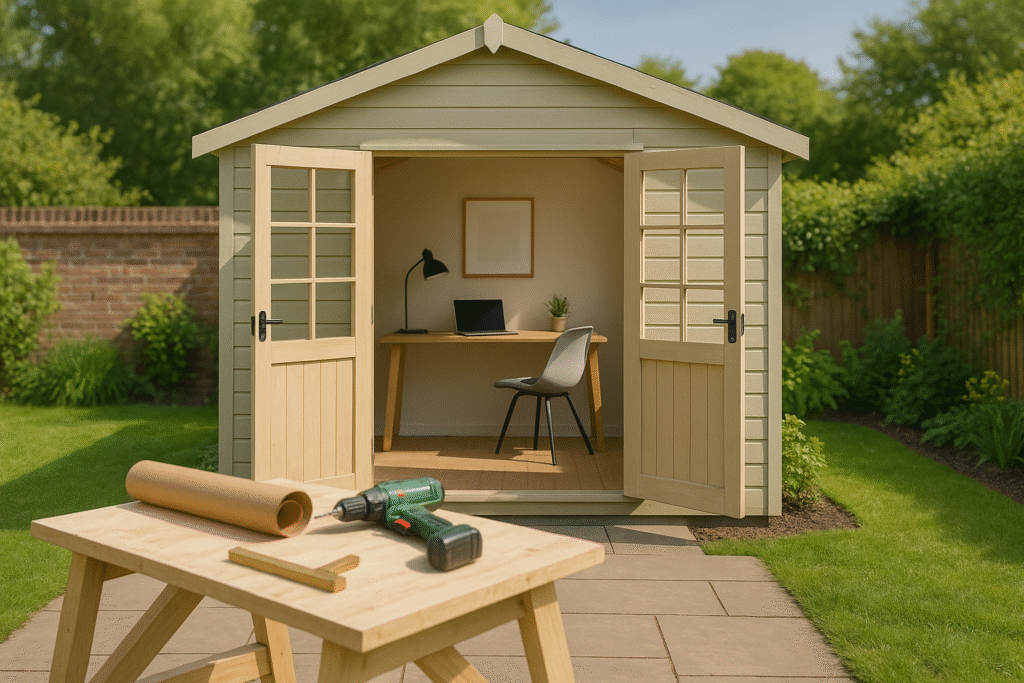
Transform your garden shed into a professional home office with our authoritative step-by-step guide. Learn how senior professionals can create a productive, secure, and inspiring workspace outside the home.
Table of Contents
- Creating a Home Office in Your Garden Shed: Step-by-Step
- Why Choose a Shed Home Office?
- Step 1: Assessing Feasibility and Setting Objectives
- Step 2: Designing the Ideal Shed Home Office
- Step 3: Utilities, Connectivity, and Security
- Step 4: Interior Design and Furnishing Your Shed Home Office
- Step 5: Real-World Examples and Case Studies
- Actionable Takeaways: Best Practices for Success
- Next Steps: Planning Your Shed Home Office Transformation
- Conclusion: Unlock Your Professional Potential with a Shed Home Office
Creating a Home Office in Your Garden Shed: Step-by-Step
Transforming a garden shed into a functional and inspiring home office is an increasingly popular solution among senior professionals seeking a dedicated workspace. The concept of the “shed home office” has evolved from simple, rustic retreats to sophisticated, fully equipped work environments that rival traditional office spaces. As remote work and hybrid work models become the norm, creating a professional-grade office in your garden not only enhances productivity but also adds value to your property. This comprehensive guide walks you through every step of the process, from planning and design to installation and final touches, ensuring your shed home office meets your specific needs. Whether you require a secluded space for video conferencing, a creative studio, or a high-tech command center, this article will provide actionable insights, advanced recommendations, and real-world case studies to help you achieve your vision.
Why Choose a Shed Home Office?
Advantages for Senior Professionals
Senior professionals often require a workspace tailored to their high-level responsibilities and unique work styles. A shed home office offers privacy, reduced distractions, and the ability to customize the environment to meet individual preferences. Unlike shared spaces within the home, a dedicated garden office ensures uninterrupted focus during critical tasks, confidential meetings, or creative deep work. Additionally, the separation between home and office, albeit just a few steps away, reinforces boundaries that are essential for maintaining work-life balance at executive levels.
Property Value and Long-Term Investment
Investing in a shed home office can significantly boost your property’s market appeal. High-quality outbuildings designed for professional use are increasingly sought after by buyers who prioritize remote work flexibility. Moreover, the cost of conversion is often lower than building an extension or renting office space, offering an excellent return on investment. When designed with future adaptability in mind, your garden office can serve alternate purposes—such as a guest room or studio—further enhancing its value.
Sustainability and Well-Being
Modern shed home offices can be designed with sustainability and occupant wellness at their core. Incorporating natural light, energy-efficient materials, and proper ventilation supports both environmental responsibility and personal well-being. For senior professionals, an ergonomic, healthy workspace is crucial for sustained productivity and long-term satisfaction. By choosing eco-friendly options and optimizing the interior climate, you create a workspace that is both inspiring and responsible.
Step 1: Assessing Feasibility and Setting Objectives {#step-1-assessing-feasibility-and-setting-objectives}
Evaluating Your Garden Shed
Begin by thoroughly evaluating your existing garden shed. Consider its structural integrity, size, location, and proximity to your main residence. Is the shed weatherproof? Does it allow for insulation, electrical wiring, and internet connectivity? Assessing these factors early can save considerable time and resources. If your current shed is unsuitable, you may need to consider a new build or a high-quality prefabricated unit. Document the dimensions, foundation, and any potential obstacles such as tree roots or water drainage issues.
Defining Functional Requirements
List your professional requirements before any design work begins. Do you need space for multiple monitors, file storage, or video conferencing setups? Will you host clients or colleagues? Consider acoustics, lighting, and ergonomic furniture. Senior professionals often require advanced technology and high-performance internet. Creating a functional specification document ensures that the final shed home office design aligns with your workflow and professional image.
Navigating Planning Permissions and Regulations
Before proceeding, investigate local zoning laws and building regulations. Many regions allow sheds up to a certain size without planning permission, but requirements vary, especially for structures used as offices. Factors such as electricity, plumbing, and proximity to boundaries may trigger additional compliance checks. Consult with local authorities or a planning consultant to avoid costly setbacks. Obtaining the right permits ensures your shed home office is both legal and insurable.
Step 2: Designing the Ideal Shed Home Office
Space Planning and Layout Optimization
Effective space planning is critical for maximizing functionality in a shed home office. Begin by mapping out the location of your desk, storage, seating, and technology. Consider the optimal placement of windows and doors to enhance natural light and ventilation. For professionals who regularly attend video calls, orient your workspace to provide an uncluttered, visually appealing background. Use digital design tools or consult an interior designer with experience in small office conversions to create a detailed floor plan.
Selecting Materials for Comfort and Durability
The choice of materials impacts the longevity, comfort, and aesthetic of your shed home office. Insulated panels, double-glazed windows, and weatherproof siding create a stable indoor environment year-round. Opt for sustainable materials such as reclaimed wood, bamboo flooring, or recycled insulation to align with green building principles. Durable, low-maintenance finishes are essential for high-traffic professional use. High-quality materials also convey a sense of professionalism, which can be important during client visits or video meetings.
Lighting, Acoustics, and Interior Climate Control
Proper lighting is essential for productivity and well-being. Combine ambient, task, and accent lighting to create a flexible environment. Install energy-efficient LED fixtures, and consider smart lighting systems for enhanced control. Acoustics play a significant role—soundproofing panels, carpets, and acoustic glass can minimize external noise. For climate control, incorporate adequate insulation, ventilation, and, if necessary, a compact HVAC unit or underfloor heating. These features ensure your shed home office remains comfortable and functional throughout the year.
Step 3: Utilities, Connectivity, and Security
Electrical and Internet Installation
A fully functional shed home office requires professional-grade electrical wiring and high-speed internet. Engage a licensed electrician to install outlets, lighting circuits, and safety features such as circuit breakers and surge protection. For connectivity, run Ethernet cables from your main router or install a dedicated Wi-Fi mesh point to guarantee stable, fast internet—essential for senior professionals managing sensitive data or video conferencing. Consider backup power solutions like an uninterruptible power supply (UPS) to maintain productivity during outages.
Security Systems and Access Control
Protecting sensitive business information is paramount. Install high-quality locks, reinforced doors, and secure windows. Integrate smart security systems—such as motion sensors, video surveillance, and alarm systems—that can be monitored remotely via smartphone. For higher security needs, consider biometric access control or electronic keypad entry. These measures safeguard your professional assets and provide peace of mind, especially if your shed home office contains valuable equipment or confidential documents.
Heating, Cooling, and Environmental Controls
Ensuring year-round comfort in your shed home office is essential, especially in regions with temperature extremes. Options include electric radiators, underfloor heating, portable air conditioning units, and energy-efficient fans. Smart thermostats allow for remote monitoring and adjustment, optimizing both comfort and energy use. Consider humidity controls or air purifiers for improved air quality. A comfortable environment enhances focus and productivity, supporting long work sessions typical of senior professionals.
Step 4: Interior Design and Furnishing Your Shed Home Office
Ergonomics for Senior Professionals
An ergonomic workspace is vital for sustained productivity and health. Invest in an adjustable executive chair, a height-adjustable desk, and monitor arms to maintain optimal posture. Include anti-fatigue mats and footrests as needed. Senior professionals should consider sit-stand workstations to encourage movement throughout the day. Proper ergonomic setup in your shed home office reduces the risk of musculoskeletal issues and supports energy levels during long hours of concentrated work.
Storage Solutions and Organization
Effective storage is crucial in a compact shed home office. Use vertical shelving, built-in cabinets, and under-desk drawers to maximize available space. Modular storage systems allow for flexibility as your needs evolve. For document security, install lockable file cabinets or safes. A well-organized office enhances efficiency and maintains a professional appearance, especially during virtual or in-person meetings with clients or colleagues.
Personalization and Professional Branding
Your shed home office should reflect both your personality and professional brand. Incorporate curated artwork, branded decor, and color schemes that align with your industry or corporate identity. Consider displaying awards, certifications, or inspirational quotes to reinforce your expertise. A personalized workspace boosts morale and leaves a positive impression on clients and collaborators, both virtually and in person.
Step 5: Real-World Examples and Case Studies
Case Study 1: Executive Legal Practice Conversion
A senior partner at a law firm transformed a 12×16-foot garden shed into a fully functional legal office. Key features included triple-glazed windows for soundproofing, a wall-mounted HVAC system, secure document storage, and a high-speed fiber internet connection. By working closely with an architect, the professional created a space optimized for privacy and virtual court appearances. The investment paid off through increased productivity and the ability to take confidential client meetings without interruption from household activities.
Case Study 2: Creative Director’s Studio Retreat
A creative director for a global marketing agency needed a dedicated space for brainstorming and design work. The shed home office was equipped with skylights, an acoustic ceiling, and modular workstations for collaboration. Incorporating biophilic design elements—such as interior plants and natural wood finishes—enhanced well-being and creativity. The office also included a large whiteboard wall and video conferencing setup, enabling seamless teamwork with remote colleagues. This tailored environment allowed for both focused individual work and small group sessions, demonstrating the versatility of shed offices for senior professionals in creative fields.
Case Study 3: Financial Consultant’s Secure Workspace
A senior financial consultant required a highly secure, distraction-free office to manage sensitive client data. The conversion included reinforced doors, biometric access, and a dedicated VPN server for secure communications. Advanced acoustic treatments ensured confidentiality during client calls. The shed home office also featured dual monitors, ergonomic seating, and a climate-controlled environment, supporting long hours of analysis and virtual meetings. This example underscores the importance of tailoring the build to professional requirements and regulatory standards.
Actionable Takeaways: Best Practices for Success
- Plan ahead: Clearly define your objectives, professional needs, and budget before starting the conversion process.
- Prioritize quality: Invest in durable, sustainable materials and professional-grade utilities to ensure long-term satisfaction.
- Focus on comfort: Incorporate ergonomic furniture, climate control, and natural light for a healthy work environment.
- Secure your space: Implement robust security measures and data protection protocols.
- Stay compliant: Consult with local authorities to meet all planning and regulatory requirements.
- Personalize thoughtfully: Design your shed home office to reflect your professional brand and personal style.
Next Steps: Planning Your Shed Home Office Transformation
If you are a senior professional considering a shed home office, begin by conducting a thorough site assessment and drafting a wish list of requirements. Consult with experienced contractors, interior designers, and IT specialists to ensure your vision is feasible and future-proof. Leverage digital tools for space planning and budgeting. Research local regulations and secure any necessary permits before construction begins. By taking a strategic approach, you can create a workspace tailored to your unique needs, supporting both productivity and professional growth. Remember, investing in a well-designed garden office is not only a short-term productivity boost but also a long-term asset for your property and career.
Conclusion: Unlock Your Professional Potential with a Shed Home Office
Designing and building a shed home office is a transformative investment for senior professionals seeking the ultimate remote workspace. By following this step-by-step guide—from feasibility assessment and design to utilities, security, and interior finishing—you ensure a seamless, compliant, and highly functional outcome. The examples and best practices shared above demonstrate that a well-executed garden office can elevate your productivity, support your well-being, and enhance your professional image. Begin planning today to experience the benefits of a dedicated, custom-built home office that truly reflects your ambitions and expertise. For further guidance or bespoke project support, consult with industry professionals to bring your vision to life.
Further Reading And Help With Building Your Dream Shed Home Office