Explore expert strategies for DIY shed conversion projects, turning sheds into usable spaces like offices, studios, and retreats. Get actionable tips, case studies, and professional insights for your next shed transformation.
Table of Contents
- DIY Shed Conversion Projects: Turning Sheds into Usable Spaces
- Understanding Shed Conversion Projects: Scope and Opportunities
- Planning Your Shed Conversion Project: Laying the Foundation
- Design and Build: Transforming the Shed into a Usable Space
- Interior Design and Customization for Maximum Functionality
- Real-World Case Studies: Successful Shed Conversion Projects
- Expert Insights: Navigating Challenges in Shed Conversion Projects
- Actionable Takeaways and Next Steps for Shed Conversion Success
- Conclusion: Unlocking the Full Potential of Shed Conversion Projects
DIY Shed Conversion Projects: Turning Sheds into Usable Spaces
{#diy-shed-conversion-projects-turning-sheds-into-usable-spaces}
In contemporary property development and home improvement, maximizing every square foot has become a decisive factor in enhancing both value and functionality. Among the most innovative approaches is the transformation of underutilized garden or backyard sheds into purposeful spaces. Shed conversion projects have emerged as a preferred solution for senior professionals seeking additional workspaces, hobby rooms, studios, or even guest accommodations. This guide provides an authoritative exploration of the shed conversion process, offering deep insights, actionable strategies, and expert recommendations for turning ordinary sheds into extraordinary usable spaces. Whether you are considering a home office, creative studio, or serene retreat, the following comprehensive analysis will equip you with the knowledge to execute a successful shed conversion project.
Understanding Shed Conversion Projects: Scope and Opportunities
{#understanding-shed-conversion-projects-scope-and-opportunities}
The Evolving Role of Sheds in Modern Properties
Traditionally, sheds have served as storage spaces for tools, gardening equipment, or seasonal items. However, as property requirements have evolved, so too has the potential for these modest structures. Modern shed conversion projects offer a flexible, cost-effective alternative to full-scale home extensions, making them particularly attractive to professionals seeking to optimize their property’s utility. With the right planning and execution, a simple shed can be transformed into anything from a quiet home office to a luxurious guest suite or a fully equipped fitness studio. This evolution reflects broader trends in remote work, creative entrepreneurship, and the desire for specialized personal spaces within residential environments.
Key Benefits of Shed Conversion Projects
Shed conversion projects offer substantial benefits beyond mere aesthetics. First, they provide a rapid and often more affordable solution compared to traditional construction or remodeling. Second, they enable property owners to customize spaces according to specific needs, whether for professional, recreational, or residential purposes. Additionally, such conversions can increase property value, enhance lifestyle flexibility, and improve overall space utilization. For senior professionals, the ability to create bespoke work environments or relaxation retreats without major structural changes is particularly compelling. These benefits collectively drive the growing interest in shed conversions across diverse property types.
Common Types of Usable Spaces Created from Shed Conversions
The versatility of shed conversion projects allows for a wide range of end uses. Some popular examples include:
- Home offices for remote work or consulting
- Art studios or creative workshops
- Wellness spaces such as yoga rooms or meditation retreats
- Guest suites or short-term rental units
- Home gyms with fitness equipment
- Reading nooks or private libraries
- Hobby rooms for crafts, music, or model-building
Each of these options can be tailored to professional or personal needs, offering a high degree of customization based on preferences and property constraints.
Planning Your Shed Conversion Project: Laying the Foundation
{#planning-your-shed-conversion-project-laying-the-foundation}
Assessing Suitability and Feasibility
Before embarking on any shed conversion project, a thorough assessment of the existing structure is essential. Key considerations include the shed’s age, material condition, foundation stability, and available space. Senior professionals are advised to engage qualified surveyors or contractors to conduct detailed inspections, identifying potential issues such as dampness, structural weakness, or inadequate insulation. Understanding zoning regulations and local building codes is also crucial, as some municipalities may require permits for conversions involving plumbing, electricity, or significant modifications. This preparatory stage ensures not only legal compliance but also the longevity and safety of the finished space.
Defining Purpose and Functionality
The success of any shed conversion hinges on a clear definition of its intended purpose. Whether the goal is to establish a high-performance office or a tranquil retreat, the functional requirements will dictate design priorities, material selection, and budget allocation. Considerations such as lighting, acoustics, climate control, and accessibility should be aligned with the primary use case. For example, a professional studio may require advanced soundproofing, while a wellness space might prioritize natural light and ventilation. Creating a detailed project brief at this stage helps streamline subsequent planning and execution phases, reducing the risk of costly revisions.
Budgeting for Shed Conversions: Costs and Considerations
Budgeting is a critical aspect of shed conversion projects. Costs can range significantly depending on the scale of transformation, materials chosen, and whether professional services are required. Major expenses typically include insulation, electrical wiring, plumbing (if needed), interior finishes, and furnishings. Senior professionals may also wish to allocate funds for advanced features such as smart home systems or eco-friendly upgrades. Careful budget planning, including contingency allowances for unforeseen issues, ensures the project remains financially viable while meeting desired quality standards.
Design and Build: Transforming the Shed into a Usable Space
{#design-and-build-transforming-the-shed-into-a-usable-space}
Structural Considerations and Upgrades
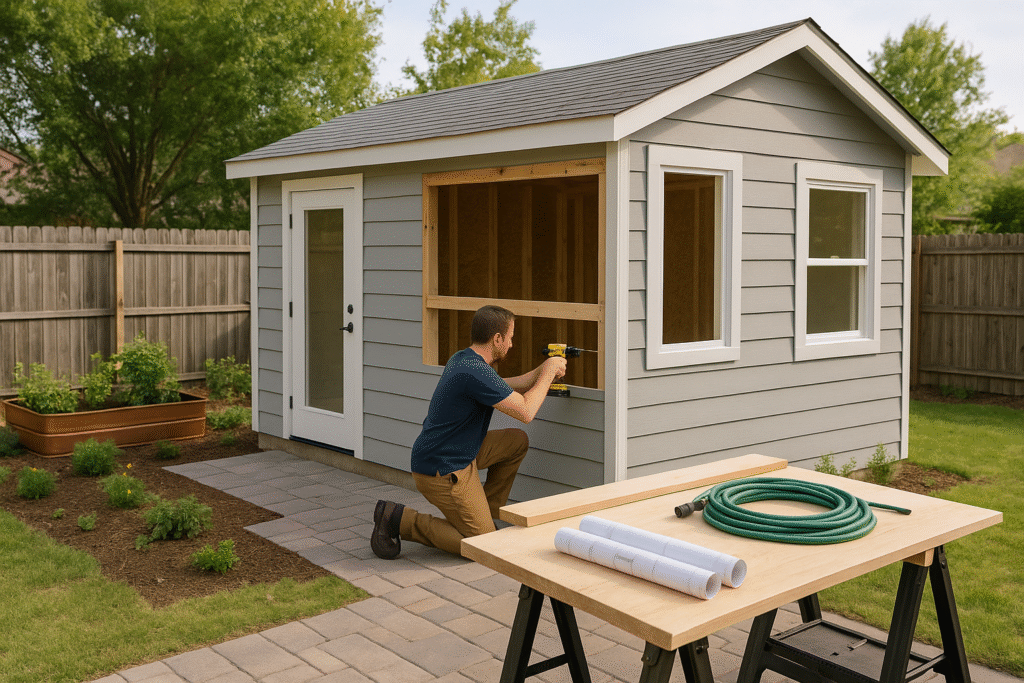
The transition from storage shed to livable space often requires significant structural modifications. Common upgrades include reinforcing the foundation, replacing or insulating walls, and installing new doors or windows for improved access and natural light. For older sheds, it may be necessary to address issues such as wood rot or substandard roofing. Structural integrity is paramount, particularly if the shed will be used year-round or outfitted with heavy equipment. Professionals should also consider accessibility improvements, such as ramps or wider doorways, to future-proof the space against changing mobility needs.
Insulation, Heating, and Climate Control
Creating a comfortable, usable space requires attention to thermal and acoustic insulation. Options include spray foam, rigid board, or batt insulation depending on budget and local climate. Integrating efficient heating (such as underfloor systems or electric radiators) and air conditioning ensures year-round occupancy. Advanced shed conversion projects may incorporate smart thermostats or remote-controlled climate solutions for maximum convenience. These considerations are especially important for workspaces or guest accommodations, where comfort and energy efficiency directly impact usability and operating costs.
Electrical, Plumbing, and Technology Integration
Modern shed conversion projects often demand full electrical installations, including lighting, outlets, and data cabling. For spaces intended as home offices or studios, high-speed internet connectivity and advanced lighting solutions (such as LED task lighting or dimmable fixtures) are essential. Where plumbing is required, such as for guest suites or fitness studios with showers, professional installation is a must to ensure compliance with building codes. Technology integration, such as smart access control or automated shading systems, can further elevate the usability and security of the converted shed.
Interior Design and Customization for Maximum Functionality
{#interior-design-and-customization-for-maximum-functionality}
Space Planning and Layout Optimization
Effective space planning is essential in shed conversion projects, given the typically compact footprint of most sheds. Strategic use of built-in storage, multifunctional furniture, and modular layouts can maximize available space without compromising comfort or aesthetics. Senior professionals should consider ergonomic principles, natural traffic flow, and zoning for different activities. For example, a dual-purpose office and meeting room may feature collapsible desks or partition systems to adapt to changing needs throughout the day. Careful planning at this stage can unlock the full potential of even the smallest shed conversions.
Lighting, Color Schemes, and Finishes
Lighting plays a pivotal role in creating a welcoming and productive environment. Where possible, maximize natural light through skylights, large windows, or glass doors. Supplement with layered artificial lighting—ambient, task, and accent—to suit different functions. Color schemes should reflect the intended mood: calm neutrals for relaxation, energizing hues for creative spaces, or corporate tones for professional settings. High-quality finishes, such as engineered flooring or acoustic wall panels, enhance both aesthetics and performance, ensuring the converted shed stands out as a premium space.
Personalization and Brand Alignment
For professionals using shed conversions as client-facing studios or offices, aligning the interior design with personal or corporate branding can reinforce credibility and professionalism. This might include custom signage, branded color palettes, or integrated technology displays. Personalization also extends to the inclusion of meaningful artwork, unique furnishings, or display areas for awards and certifications. Such details not only enhance the working environment but also contribute to a memorable and distinctive space that supports business objectives.
Real-World Case Studies: Successful Shed Conversion Projects
{#realworld-case-studies-successful-shed-conversion-projects}
Case Study 1: Executive Home Office Transformation
A senior consultant in London converted a 120-square-foot garden shed into a fully functional home office. The project involved reinforcing the floor, installing high-performance insulation, and integrating smart lighting and video conferencing systems. The interior was finished with ergonomic furnishings and custom cabinetry, enabling remote work and client meetings without distractions. The result was a professional-grade workspace that increased productivity and added significant value to the property, showcasing the potential of shed conversion projects for high-level professionals.
Case Study 2: Creative Studio for an Architect
An award-winning architect transformed a disused backyard shed into a light-filled design studio. Structural upgrades included the addition of skylights, advanced soundproofing, and sustainable bamboo flooring. The space was equipped with digital drafting tables, high-speed Wi-Fi, and a climate-control system, supporting both creative work and client presentations. This conversion not only expanded the architect’s operational capacity but also served as a portfolio centerpiece, demonstrating the versatility and sophistication achievable through shed conversions.
Case Study 3: Wellness Retreat for Stress Management
A healthcare executive in the suburbs repurposed a garden shed as a wellness retreat for stress management and meditation. The shed was insulated for year-round comfort, fitted with serene lighting, and finished with acoustic panels for sound isolation. Natural materials and a soft color palette created a calming atmosphere. The space now serves as a daily escape for mindfulness and yoga, illustrating how shed conversion projects can support well-being and work-life balance for busy professionals.
Expert Insights: Navigating Challenges in Shed Conversion Projects
{#expert-insights-navigating-challenges-in-shed-conversion-projects}
Regulatory and Permitting Complexities
One of the most significant challenges in shed conversion projects is navigating regulatory and permitting requirements. Zoning laws, building codes, and occupancy regulations vary widely by location, and non-compliance can result in costly delays or required modifications. Senior professionals are advised to consult with local planning authorities early in the process and, where necessary, engage legal or architectural experts to ensure all necessary permissions are obtained. Documenting all changes and maintaining clear records can streamline future property transactions and avoid retroactive compliance issues.
Managing Budget Overruns and Project Risks
Cost overruns are a common risk in shed conversion projects, particularly when unexpected structural or technical issues arise. To mitigate this, detailed project planning, transparent contractor agreements, and regular progress reviews are essential. Senior professionals may benefit from phased project management, allowing for adjustments as needs or circumstances evolve. Building a contingency fund into the budget and prioritizing high-impact upgrades can ensure the project delivers value without exceeding financial constraints.
Sustainability and Long-Term Maintenance
Sustainability is an increasingly important consideration for shed conversion projects. Choosing eco-friendly materials, installing energy-efficient systems, and incorporating renewable energy sources (such as solar panels) can reduce operating costs and environmental impact. Planning for long-term maintenance, including routine inspections and updates to insulation or technology systems, preserves functionality and extends the life of the converted space. These strategies not only align with corporate social responsibility goals but also enhance the overall investment value of the project.
Actionable Takeaways and Next Steps for Shed Conversion Success
{#actionable-takeaways-and-next-steps-for-shed-conversion-success}
Step-by-Step Checklist for Shed Conversion Projects
- Assess the existing shed structure for suitability
- Define the intended purpose and required features
- Create a detailed project brief and budget
- Consult with local planning authorities regarding permits
- Engage qualified professionals for inspections and design
- Plan and implement necessary structural, electrical, and plumbing upgrades
- Design and customize the interior for maximum functionality
- Incorporate technology and sustainability features
- Finalize finishes and furnishings
- Schedule regular maintenance and updates
This checklist provides a practical framework for senior professionals to manage their shed conversion projects from concept to completion.
Professional Resources and Support
While many shed conversion projects can be managed independently, leveraging professional resources—such as architects, interior designers, and specialist contractors—can enhance outcomes and minimize risks. Senior professionals seeking bespoke solutions or complex integrations (such as advanced smart home technology or high-spec finishes) may particularly benefit from expert input. Networking with peers who have completed similar projects or joining relevant professional groups can also provide valuable insights and recommendations.
Conclusion: Unlocking the Full Potential of Shed Conversion Projects
{#conclusion-unlocking-the-full-potential-of-shed-conversion-projects}
In summary, shed conversion projects represent a powerful strategy for transforming underutilized spaces into valuable, functional environments tailored to professional and personal needs. From meticulous planning and structural upgrades to advanced interior design and technology integration, every phase of the process offers opportunities for customization, value creation, and lifestyle enhancement. Senior professionals, in particular, stand to benefit from the flexibility, efficiency, and prestige that a well-executed shed conversion brings. By following the expert guidance, real-world examples, and actionable steps outlined in this guide, you can confidently embark on your own shed conversion journey, turning vision into reality and maximizing your property’s potential.
Ready to transform your unused shed into a high-value, functional space? Start your shed conversion project today by consulting with industry experts and leveraging the actionable strategies provided above. For bespoke advice or to connect with qualified professionals in your area, reach out through our specialist network. Unlock the full potential of your property—one conversion at a time!